Renovating an existing home in Whangarei or wider Northland is a different proposition to building new. You are working with an existing structure, unknown conditions behind the walls, and a home that may need to remain partially liveable throughout the process. Planning well is everything.
Renovating an existing home in Whangarei or wider Northland involves a different set of challenges to building new. You are working with an existing structure that may have hidden issues, existing services that need to be maintained or upgraded, and a home that often needs to remain partially liveable during the work. A clear process makes the difference between a smooth renovation and a stressful one.
Step 1: Assessment and Feasibility
Every renovation should start with a thorough assessment of the existing building. This includes understanding the structural system, identifying any moisture damage or weathertightness issues, assessing the condition of services (plumbing, electrical, drainage), and determining what is achievable within the existing footprint and structure.
For older Northland homes, this assessment often reveals issues that are not visible from the surface. Inadequate insulation, outdated wiring, corroded plumbing, and subfloor moisture are common findings that need to be addressed as part of the renovation scope.
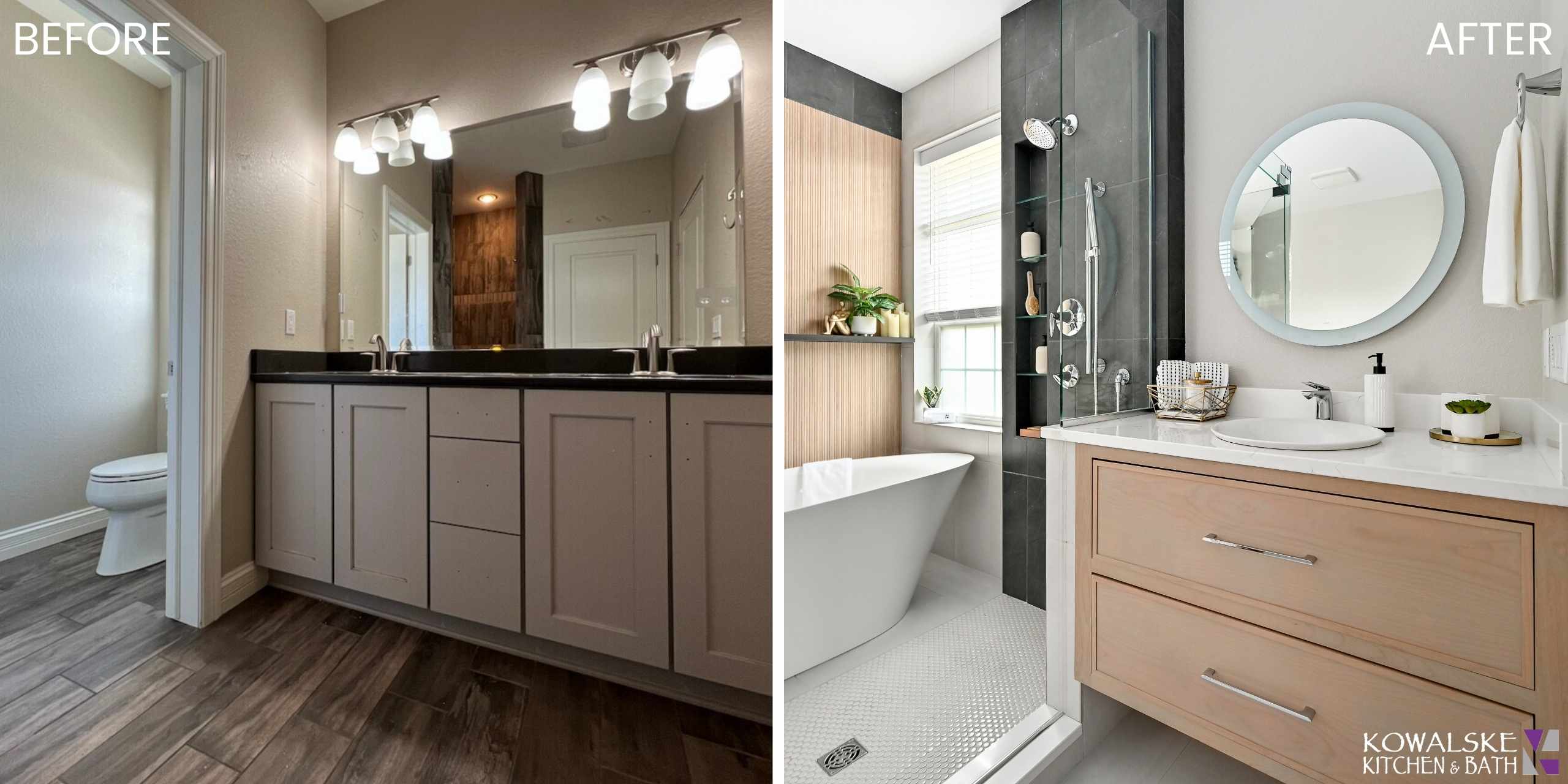
Step 2: Design and Documentation
Once the existing conditions are understood, the design phase can proceed with confidence. Renovation design needs to account for the constraints of the existing structure while achieving the client's goals for improved functionality, comfort, and appearance.
Documentation for renovation consents often requires more detail than new builds because the designer must demonstrate how new work integrates with existing construction. The MBIE consent guidance[1] outlines what is required, but renovation applications typically benefit from additional detail showing existing conditions and proposed changes.
Step 3: Consent and Approvals
Not all renovation work requires building consent, but most significant projects do. Work that involves structural changes, changes to the building envelope, new plumbing or drainage, or alterations to fire safety systems will generally require consent. The MBIE consent checker[2] provides guidance on what requires consent and what may be exempt.
We manage the consent process on behalf of our renovation clients, ensuring applications are complete and well-documented to minimise processing delays.
Step 4: Construction Phase
Renovation construction requires careful staging, particularly when the home remains occupied. We develop a detailed programme that sequences work logically, maintains essential services (water, power, sanitation) throughout, and minimises disruption to daily life as far as practical.
Unexpected discoveries are more common in renovation work than new builds. Hidden rot, inadequate framing, asbestos-containing materials, or non-compliant previous work can all emerge once linings are removed. Our contracts include clear processes for managing these discoveries, including transparent communication about cost and programme implications.
Step 5: Completion and Handover
Renovation completion includes final inspections, code compliance certificate (where consent was required), defects identification and rectification, and a clear handover process that includes maintenance guidance for new materials and systems.
Our article on renovate or rebuild can help if you are still deciding whether renovation is the right approach for your property. For clients ready to proceed, our renovations and extensions service provides a managed process from assessment through to completion.