Across Northland, more families are choosing to live together under one roof or on one property. Whether driven by rising housing costs, cultural values, or the practical desire to support ageing parents, multi-generational homes require thoughtful design that balances togetherness with privacy.
Multi-generational living is becoming increasingly common in Northland, driven by housing affordability pressures, cultural values around whanau connection, and practical considerations around elder care and childcare. Designing a home that accommodates multiple generations under one roof, or across connected dwellings on a single site, requires careful planning that balances privacy with togetherness.
Why Multi-Generational Design is Growing
The drivers are both cultural and economic. For many Northland families, particularly those with Maori heritage, multi-generational living reflects longstanding tikanga around whanau support and collective wellbeing. For others, it is a practical response to housing costs, the desire to keep aging parents close, or the need for shared childcare arrangements.
Whatever the motivation, the design challenge is the same: creating spaces that provide independence and privacy for each generation while maintaining the connection and shared resources that make multi-generational living work.
Design Approaches
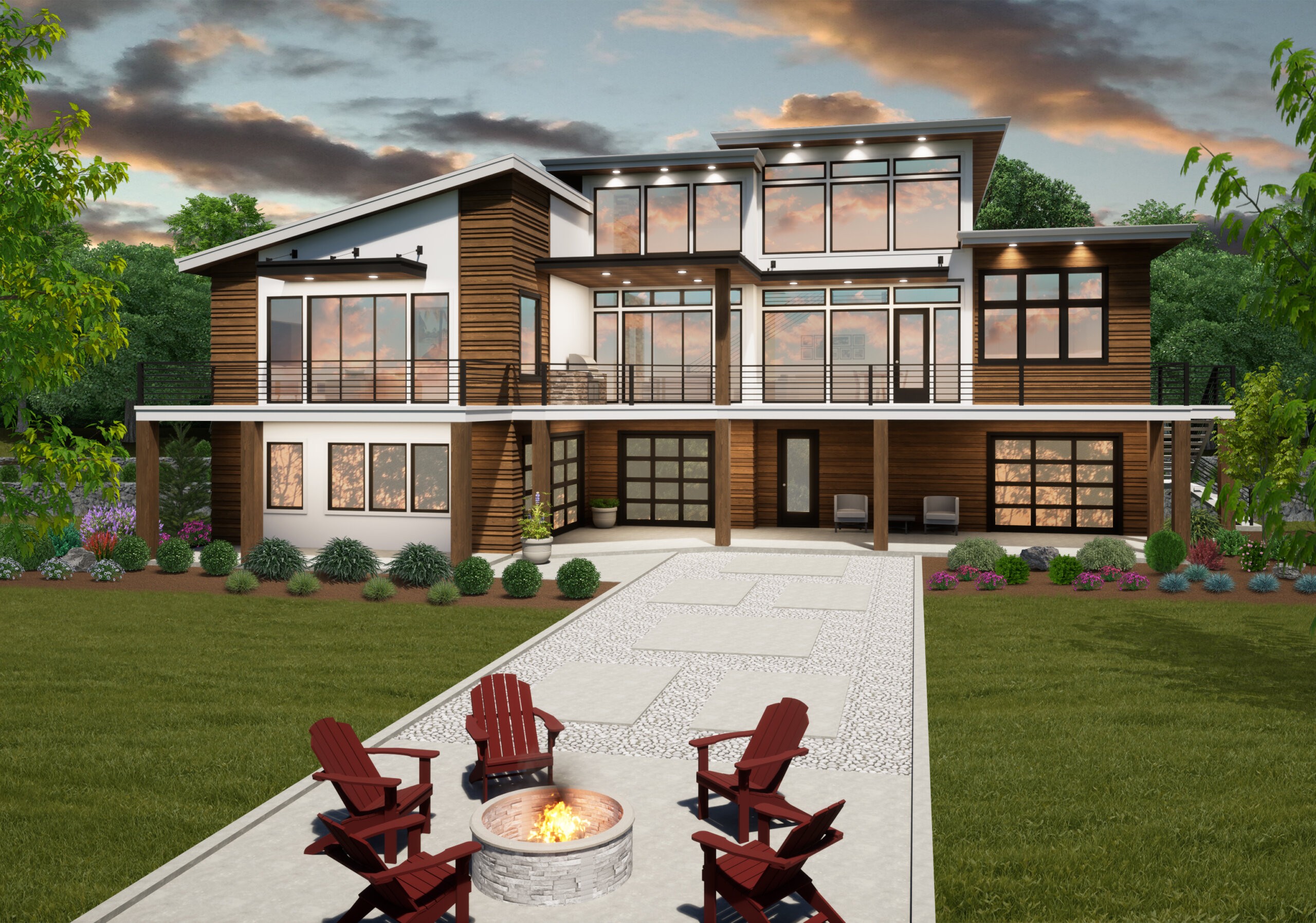
Multi-generational homes in Northland typically take one of several forms. A single large dwelling with distinct wings or levels for different generations. A main home with an attached or detached secondary dwelling (often called a granny flat or minor dwelling). Or multiple dwellings on a single title, connected by shared outdoor spaces.
Each approach has different consent implications. The MBIE guidance on minor dwellings[1] outlines the regulatory framework for secondary dwellings, including the 2026 granny flat exemption changes that have simplified the consent pathway for qualifying projects.
Key Design Considerations
Successful multi-generational design addresses several practical requirements. Separate entrances provide independence and dignity for each household. Acoustic separation between living areas ensures privacy. Shared spaces like kitchens, outdoor areas, or laundries can reduce duplication while maintaining social connection.
Universal design principles are particularly important in multi-generational homes. Level access, wider doorways, accessible bathrooms, and adaptable spaces ensure the home remains functional as occupants age. Investing in these features at construction stage is far more cost-effective than retrofitting later.
Planning and Consent Considerations
District plan rules around density, site coverage, and parking can affect what is achievable on a given site. In Whangarei, the WDC building team[2] can advise on what is permitted as of right versus what requires resource consent. In the Far North, similar guidance is available through FNDC's planning team.
Our article on granny flat exemptions in 2026 explains the recent changes that have made some secondary dwellings easier to build without full building consent. However, it is important to understand that the exemption has specific conditions that must be met.
Infrastructure and Services
Multi-generational homes place greater demands on infrastructure. Water supply, wastewater capacity, power supply, and parking all need to accommodate the increased occupancy. On rural sites without reticulated services, this may mean larger septic systems, higher-capacity water storage, or upgraded power connections.
These infrastructure requirements should be assessed during the feasibility stage, before design work progresses too far. The cost of infrastructure upgrades can significantly affect project viability, and it is better to understand these requirements early.
Getting Started
If you are considering a multi-generational build in Northland, the first step is a site assessment and feasibility conversation. We can help you understand what is achievable on your site, what the consent pathway looks like, and what the likely cost range will be. Our design and build service is particularly well suited to multi-generational projects where the design needs to respond to complex family requirements.