Understanding what it truly costs to build in Northland in 2026 requires more than a quick online search. Between site-specific challenges, material logistics, and evolving compliance standards, pricing a new home in this region demands local knowledge and honest numbers from the outset.
Budgeting for a new build in Northland requires more than a simple square-metre rate pulled from a national average. In 2026, the true cost of construction in this region is shaped by site-specific variables, material logistics, compliance upgrades, and the practical realities of building in areas where access and infrastructure cannot be taken for granted.
The Northland Factor in Construction Pricing
Logistics play a significant role in Northland building costs. Delivering materials to a remote site in the Hokianga or a steep coastal section in Tutukaka involves different costs than a flat, serviced lot in central Whangarei. Crane access, temporary roads, and material storage all add to the baseline. We factor in these "reach" costs during the feasibility stage so your budget reflects reality from day one rather than growing unexpectedly once the build is underway.
Ground conditions are another major variable. Much of Northland sits on clay soils that require engineered foundations, and coastal sites may need specific corrosion-resistant fixings and cladding systems. A geotechnical report is not optional for most sites; it is the foundation of an honest budget. The MBIE B1 Structure guidance[1] sets out the performance standards your foundations must meet regardless of location.
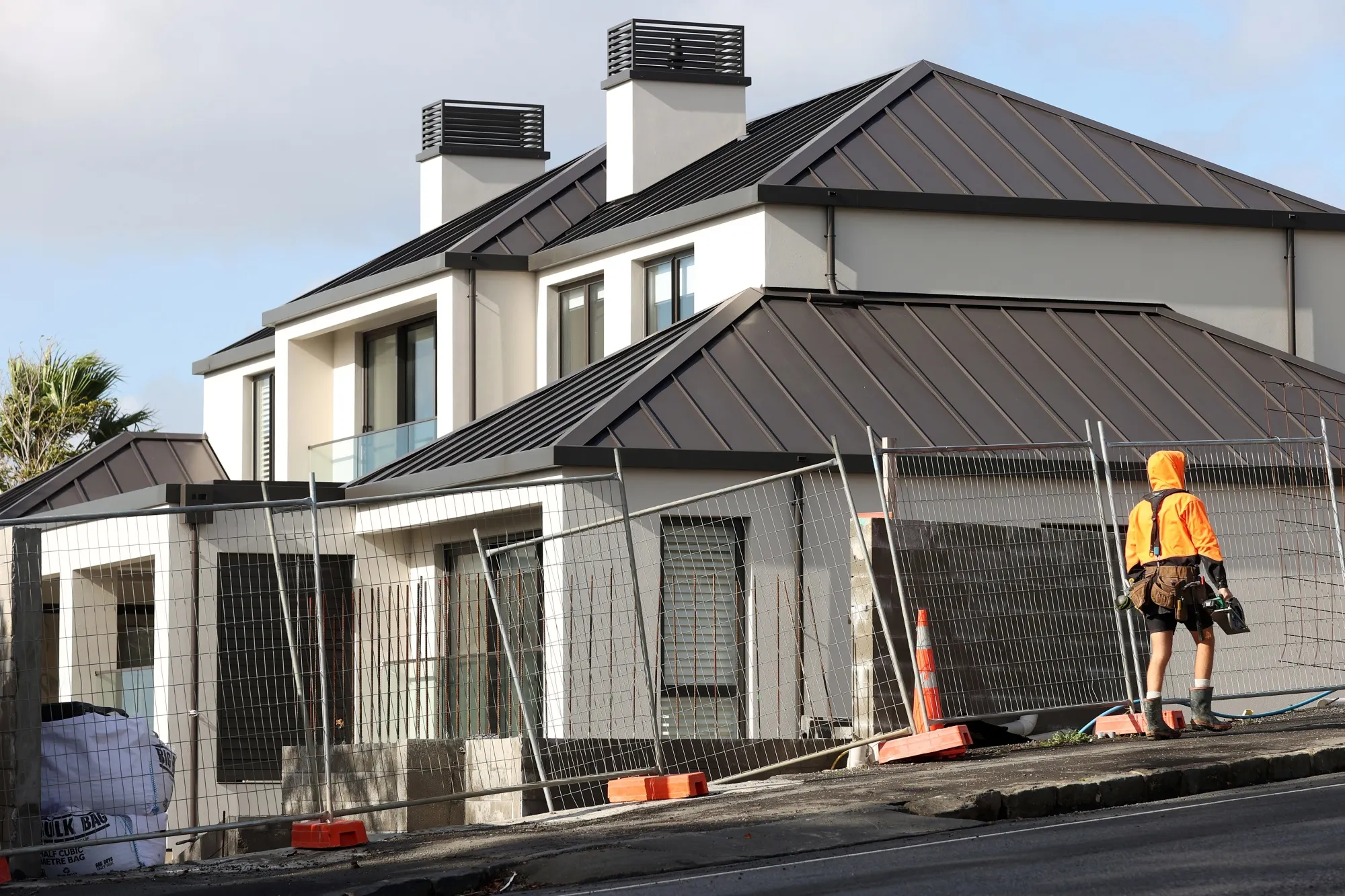
Material Trends and Compliance Costs in 2026
The 2026 H1 energy efficiency requirements have raised the baseline specification for new homes. High-performance insulation, thermally broken joinery, and continuous thermal envelopes are now standard rather than premium upgrades. While these add to the initial investment, they significantly reduce long-term running costs and improve comfort year-round.
The lead-free plumbing transition, effective from 2 May 2026, also affects material selection and cost. All new plumbing installations must now use lead-free fittings and components, which carry a modest price premium but deliver better health outcomes. Our article on lead-free plumbing requirements explains what this means for your project.
Timber framing remains the dominant structural system in Northland, but supply chain pressures and treatment requirements for H3.2 framing in high-humidity zones can influence pricing. We monitor supplier pricing weekly and lock in material orders early where possible to protect clients from mid-build price movements.
Understanding the Full Cost Envelope
A common budgeting mistake is focusing only on the house itself. The full cost envelope for a Northland build typically includes earthworks and site preparation, retaining walls, driveway and access formation, service connections (water, power, wastewater, telecommunications), council fees and development contributions, consultant fees (architect, engineer, surveyor), landscaping, and contingency.
For a standard three-bedroom home on a flat, serviced site in Whangarei, total project costs in 2026 typically range from $3,200 to $4,500 per square metre depending on specification level. Complex sites, steep terrain, or remote locations can push this higher. The Whangarei District Council building consents page[2] provides current fee schedules that should be factored into your early planning.
The Importance of Early Feasibility
At Henare Construction, we advocate for a feasibility-first approach. Before you commit to a design, we assess the site's civil requirements, infrastructure connections, ground conditions, and council expectations. This prevents budget drift and ensures the project is viable at the price point you need.
A feasibility assessment typically costs a fraction of the overall project but can save tens of thousands by identifying constraints before they become expensive mid-build changes. We provide transparent, itemised pricing so you understand exactly where your money is going at every stage.
Getting Realistic Numbers Early
If you are in the early stages of planning a build in Northland, the best investment you can make is a conversation with a builder who knows the region. National cost guides and online calculators rarely account for the specific conditions that drive pricing in Whangarei, the Far North, or the Kaipara. Our team provides obligation-free initial consultations to help you understand what your project is likely to cost before you commit to detailed design work.