If you are planning a bathroom renovation, kitchen upgrade, tapware replacement, hot water cylinder change, or new home build, there is an important Building Code transition date coming up. From 2 May 2026, G12/AS1 3rd Edition Amendment 14 becomes the only MBIE Acceptable Solution for showing compliance with Building Code Clause G12 Water Supplies.[1] [2]
From 2 May 2026, all new plumbing installations in New Zealand must use lead-free fittings and components. This change to the Building Code affects every new build, renovation, and plumbing replacement project in the country. For Northland homeowners planning building work, understanding what this means in practice helps avoid surprises and ensures your project complies from the outset.
What Changed on 2 May 2026
The amendment to the Building Code introduced a requirement that all plumbing products and fittings used in new installations must meet lead-free standards. This applies to taps, valves, connectors, and any component that comes into contact with drinking water. The change aligns New Zealand with international best practice for reducing lead exposure through drinking water systems.
The MBIE G12 Water Supplies guidance[1] provides the technical framework for compliance. In practical terms, it means plumbers and builders must source and install products that meet the new standard for all work consented after the transition date.
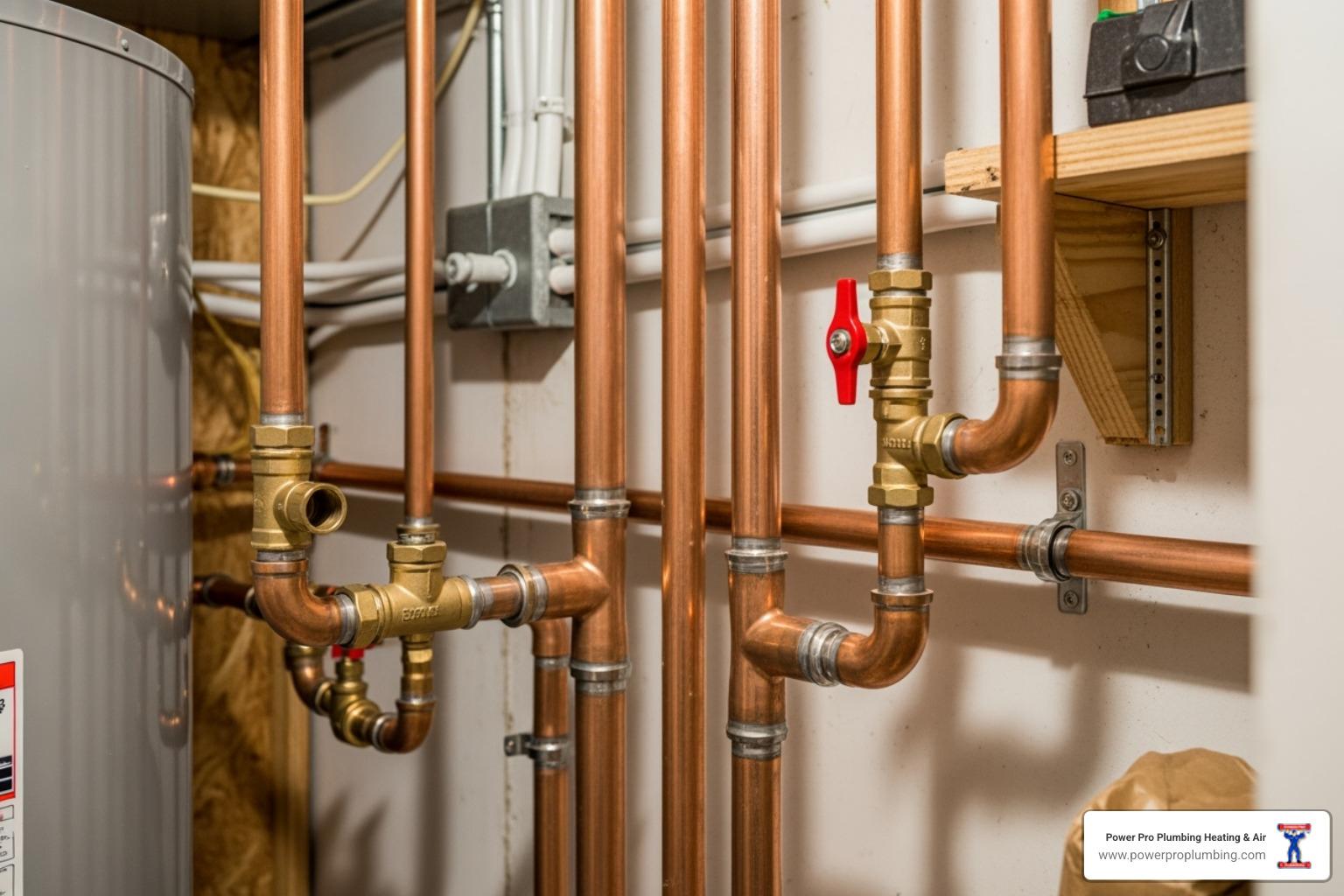
What This Means for New Builds
For new homes consented after 2 May 2026, all plumbing products must be lead-free. This is straightforward for builders and plumbers who have updated their supply chains, but it does mean that some older product lines are no longer compliant. At Henare Construction, we transitioned our plumbing specifications ahead of the deadline to ensure all current projects meet the new requirements without delay.
The cost impact is modest. Lead-free fittings carry a small premium over traditional products, but the difference is typically less than one percent of total project cost. The health benefit of eliminating lead from your drinking water system is significant and permanent.
What This Means for Renovations
For renovation projects, the lead-free requirement applies to new plumbing installations. If you are replacing a kitchen, adding a bathroom, or upgrading your hot water system, the new fittings must be lead-free. Existing plumbing that is not being replaced is not required to be upgraded, but many homeowners choose to replace older fittings as part of a renovation to improve water quality throughout the home.
The Ministry of Health drinking water guidance[2] provides context on why lead reduction in drinking water systems is a public health priority.
How to Verify Compliance
Homeowners can verify that their plumbing products meet the lead-free standard by checking product certifications and asking their plumber to confirm compliance. Products meeting the standard will be marked accordingly, and reputable suppliers have updated their catalogues to clearly identify compliant products.
Your builder and plumber should be able to provide documentation confirming that all installed products meet the current standard. This documentation forms part of the record of work that supports your code compliance certificate.
Existing Homes and Lead Risk
If your home was built before 2026, your existing plumbing may contain lead-based components, particularly brass fittings manufactured before the standard changed. While there is no legal requirement to replace these, homeowners concerned about lead exposure can have their water tested and consider upgrading fittings as part of routine maintenance or renovation work.
Planning Your Project
If you are planning a build or renovation in Northland, the lead-free transition should not cause concern. It is a straightforward compliance requirement that any competent builder will manage as part of normal project delivery. At Henare Construction, all our current projects use lead-free plumbing products as standard. For more information about how current regulations affect your project, our article on Healthy Home Standards for renovations covers the broader compliance landscape.