Selecting a builder for your Northland project is one of the most consequential decisions you will make. The lowest quote rarely tells the full story. What matters is the builder's approach to communication, their track record with local conditions, and how they handle the unexpected.
Choosing a builder in Northland involves far more than comparing headline prices. The lowest quote is rarely the best value, and the decision you make at this stage will determine the quality of your experience, the durability of your home, and the likelihood of your project finishing on time and on budget.
Why the Cheapest Quote Often Costs More
In construction, price and cost are different things. A low quote may reflect incomplete scope, optimistic assumptions about site conditions, or a builder who intends to recover margin through variations once the project is underway. The real cost of a build includes everything from start to finish, including the cost of fixing problems that arise from poor workmanship or inadequate planning.
We regularly see clients who chose the cheapest option first come to us mid-project or after completion to fix defects, complete unfinished work, or address compliance issues. The cost of remediation almost always exceeds the original saving.
What to Look for Beyond Price
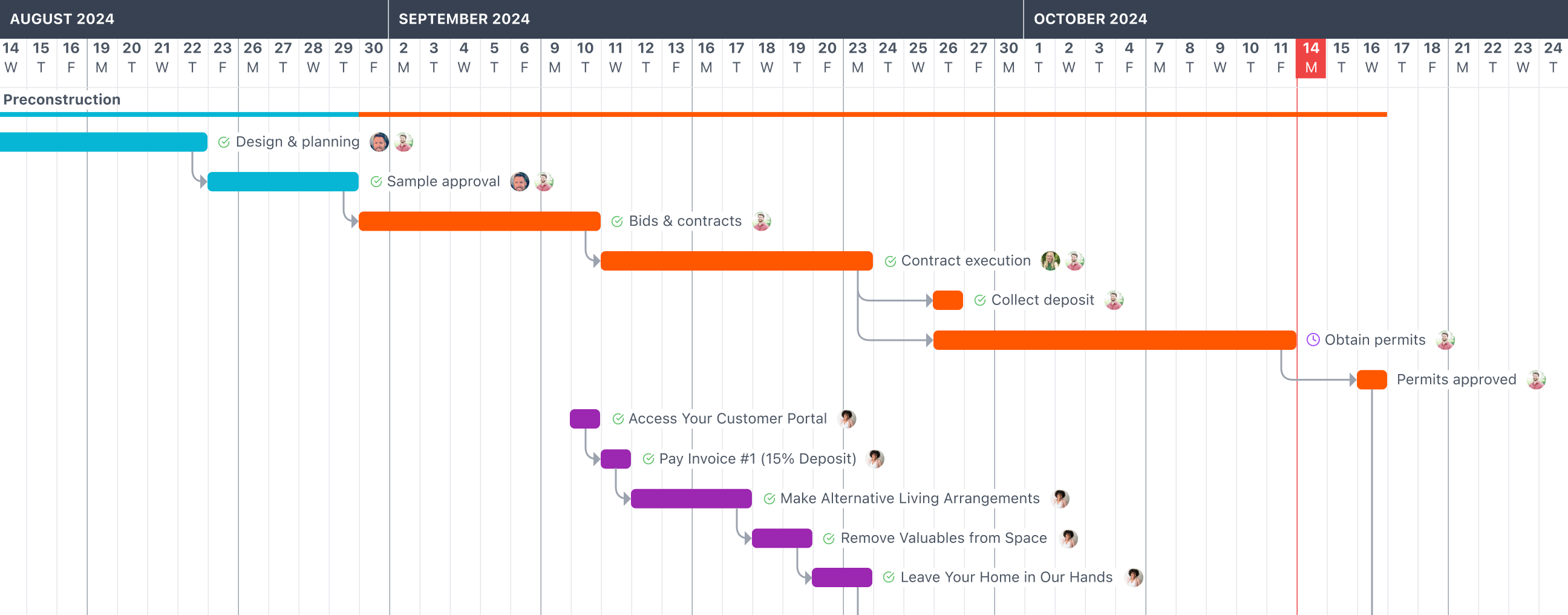
The factors that actually predict a successful build outcome include the builder's LBP status and scope of licence, their track record with similar projects in the region, their approach to project management and communication, the clarity and completeness of their contract documentation, their financial stability and insurance coverage, and their relationships with reliable subcontractors.
The Licensed Building Practitioners register[1] allows you to verify a builder's licence status and check for any disciplinary history. This should be your first step before engaging any builder for restricted building work.
Understanding Contract Types
The contract structure matters as much as the price. In New Zealand, residential builds typically use either a fixed-price contract or a charge-up (cost-plus) arrangement. Fixed-price contracts provide budget certainty but require thorough documentation upfront. Charge-up contracts offer flexibility but transfer more financial risk to the owner.
The MBIE guidance on building contracts[2] explains the key elements that should be included in any building contract. We recommend using industry-standard contracts such as those provided by New Zealand Certified Builders or Registered Master Builders, which provide balanced protection for both parties.
The Value of Local Knowledge
Northland has specific building challenges that builders from outside the region may not fully appreciate. Ground conditions, weather patterns, material logistics, subcontractor networks, and council relationships all favour builders who work consistently in this area. A builder who understands the local environment will programme your build more realistically and manage site-specific risks more effectively.
At Henare Construction, we have built exclusively in Northland for years. Our understanding of local conditions, council expectations, and trade networks means fewer surprises and more predictable outcomes for our clients.
Questions to Ask Before You Commit
Before signing with any builder, ask about their current workload and availability, how they handle variations and unexpected costs, their communication process during the build, who will be your primary point of contact, their defects liability period and warranty arrangements, and whether they carry adequate insurance including public liability and contract works cover.
Our companion article on questions to ask before you sign provides a more detailed checklist. For clients who want to understand the full picture before making a decision, we offer obligation-free consultations to discuss your project requirements.